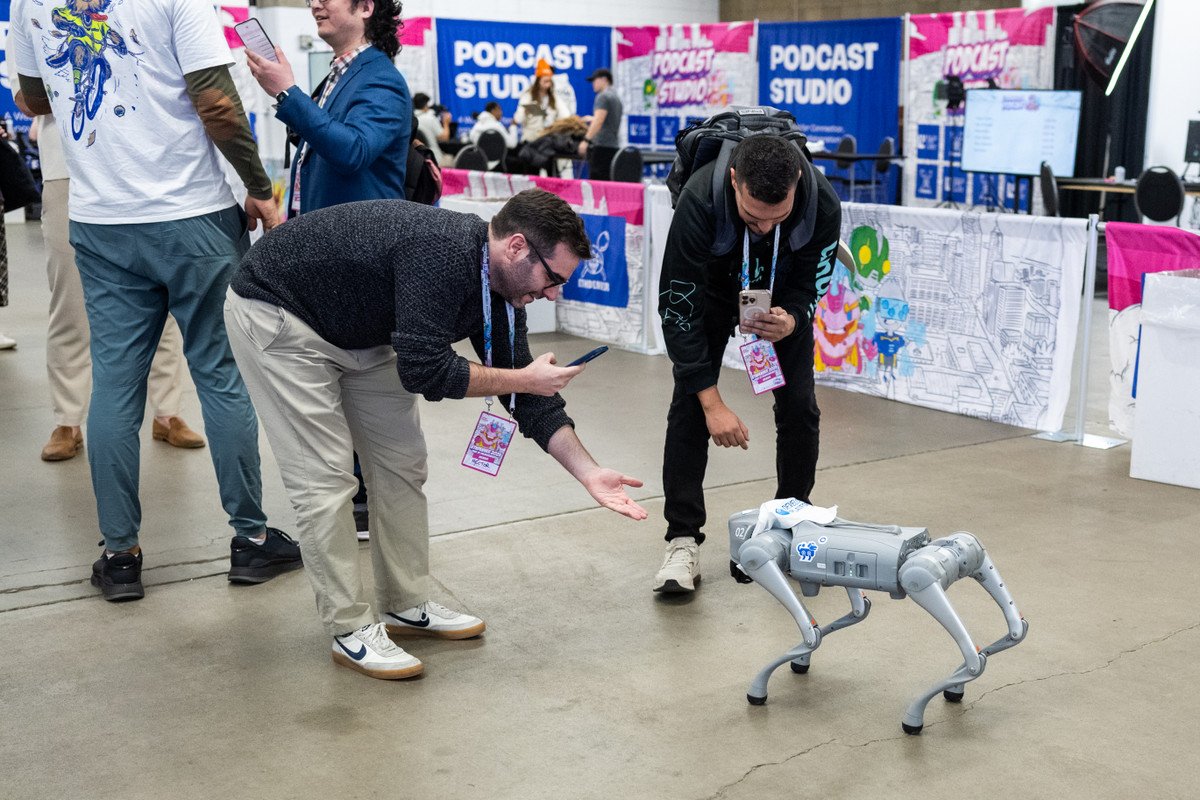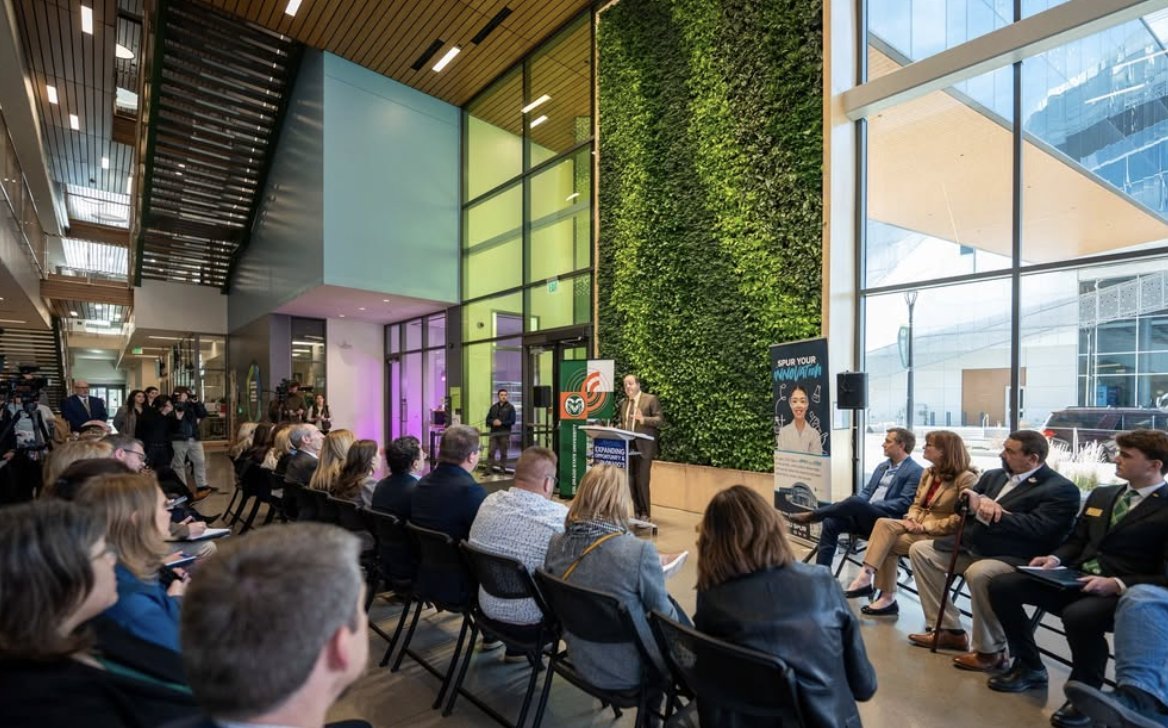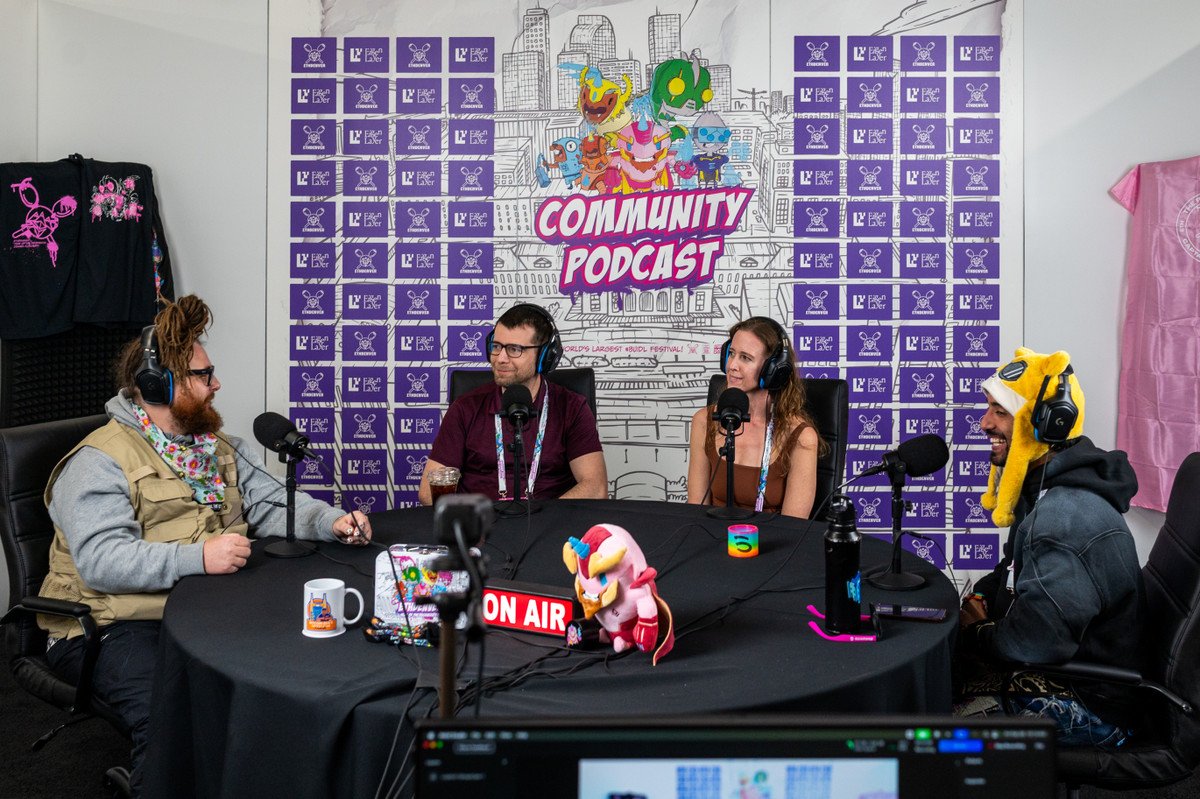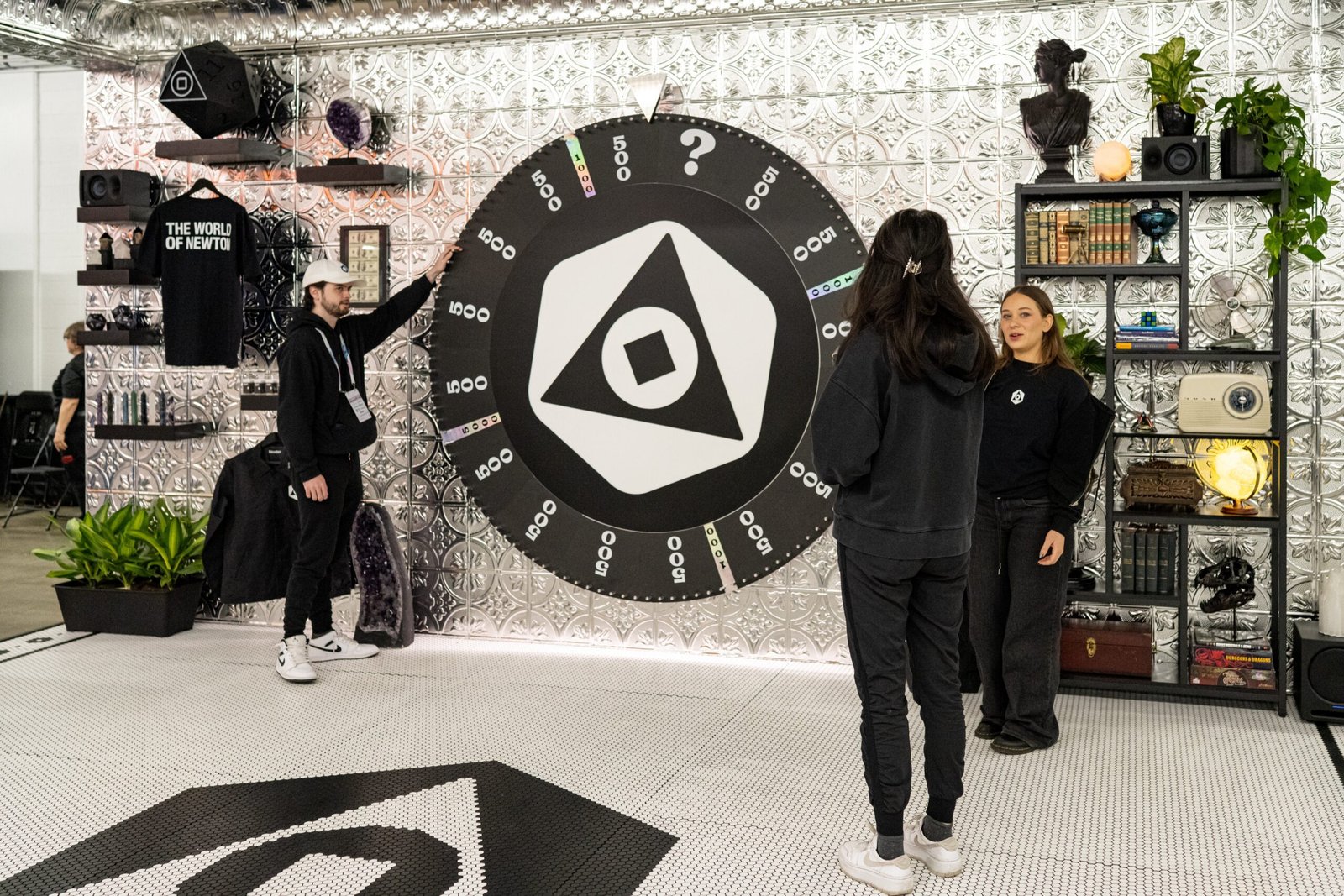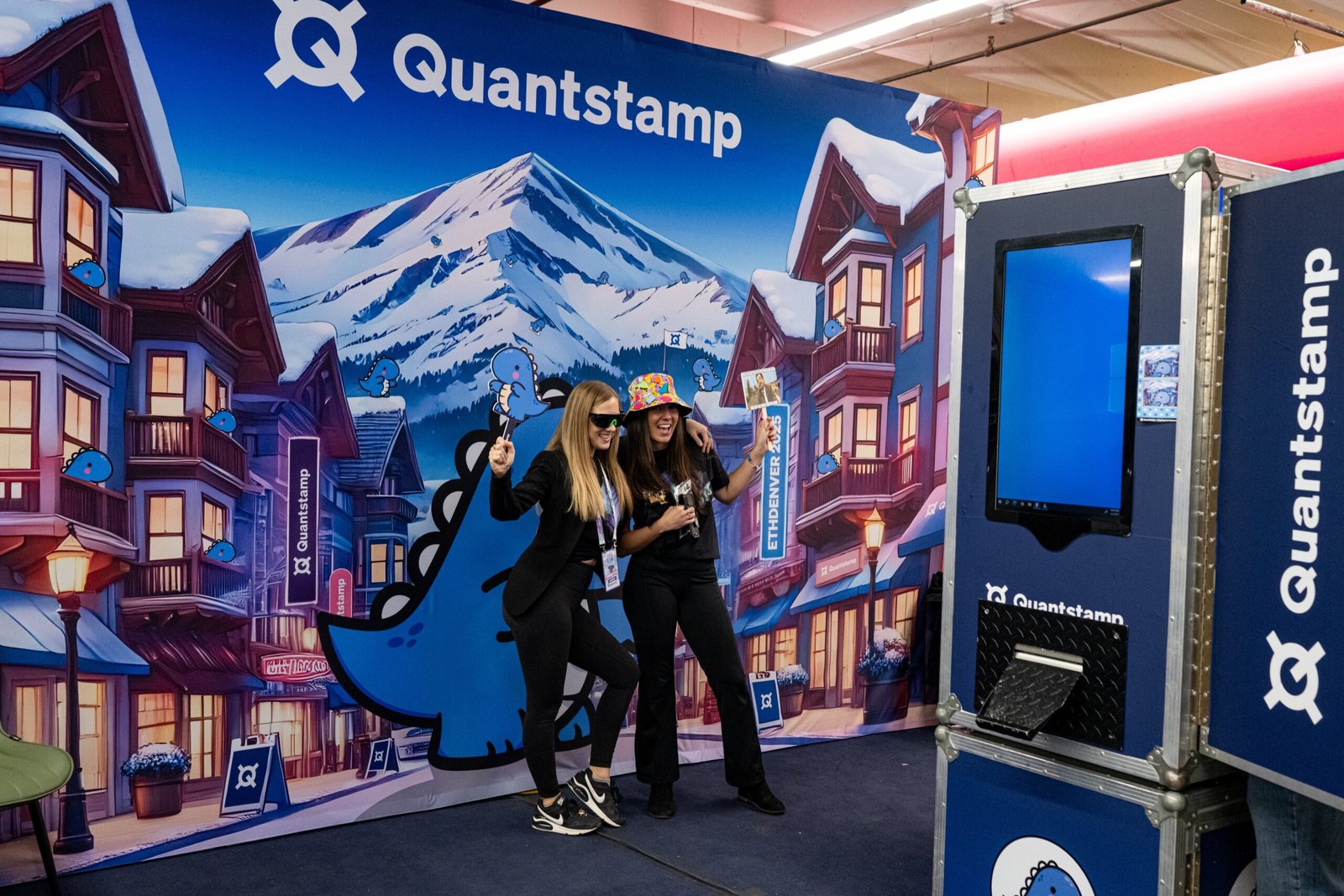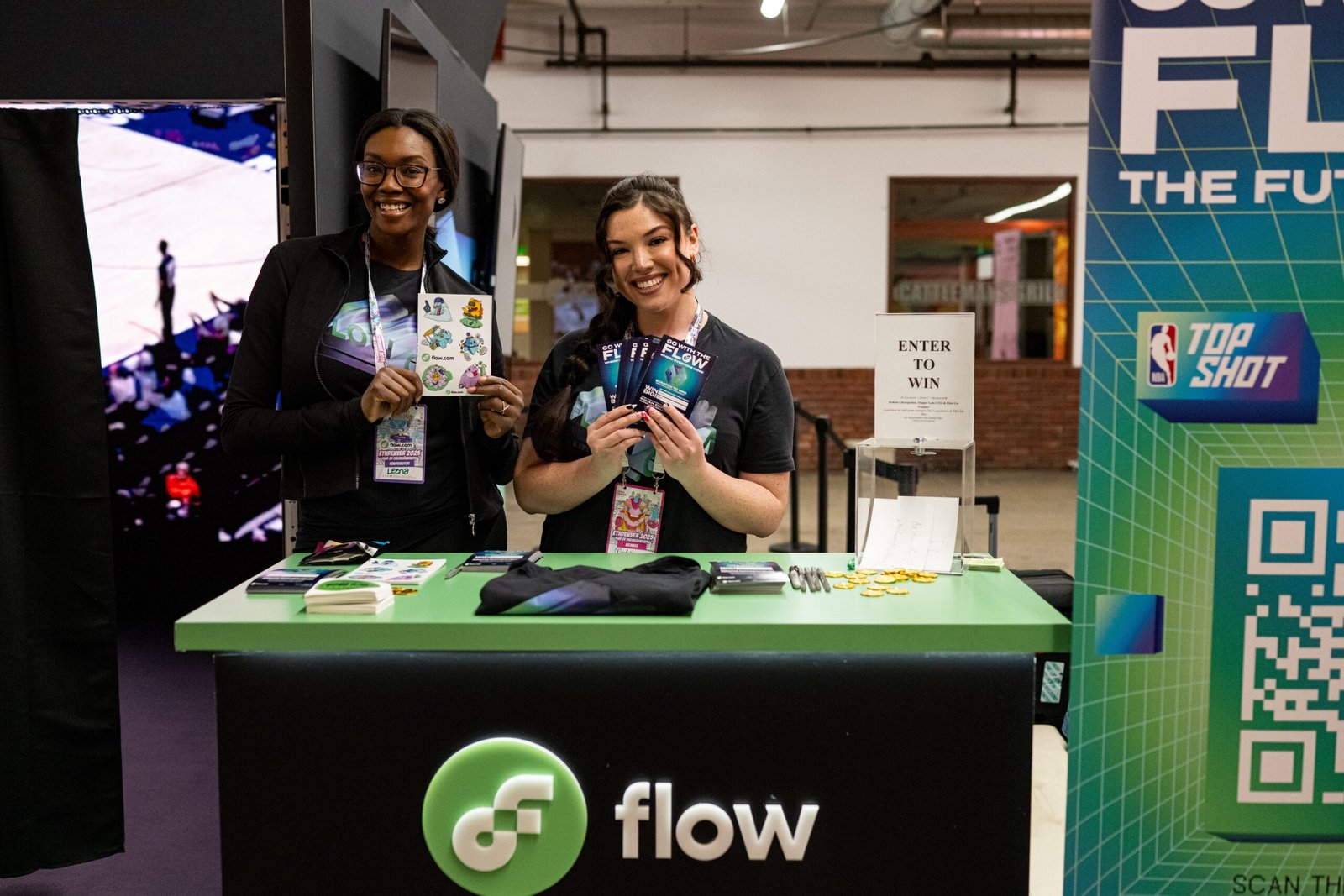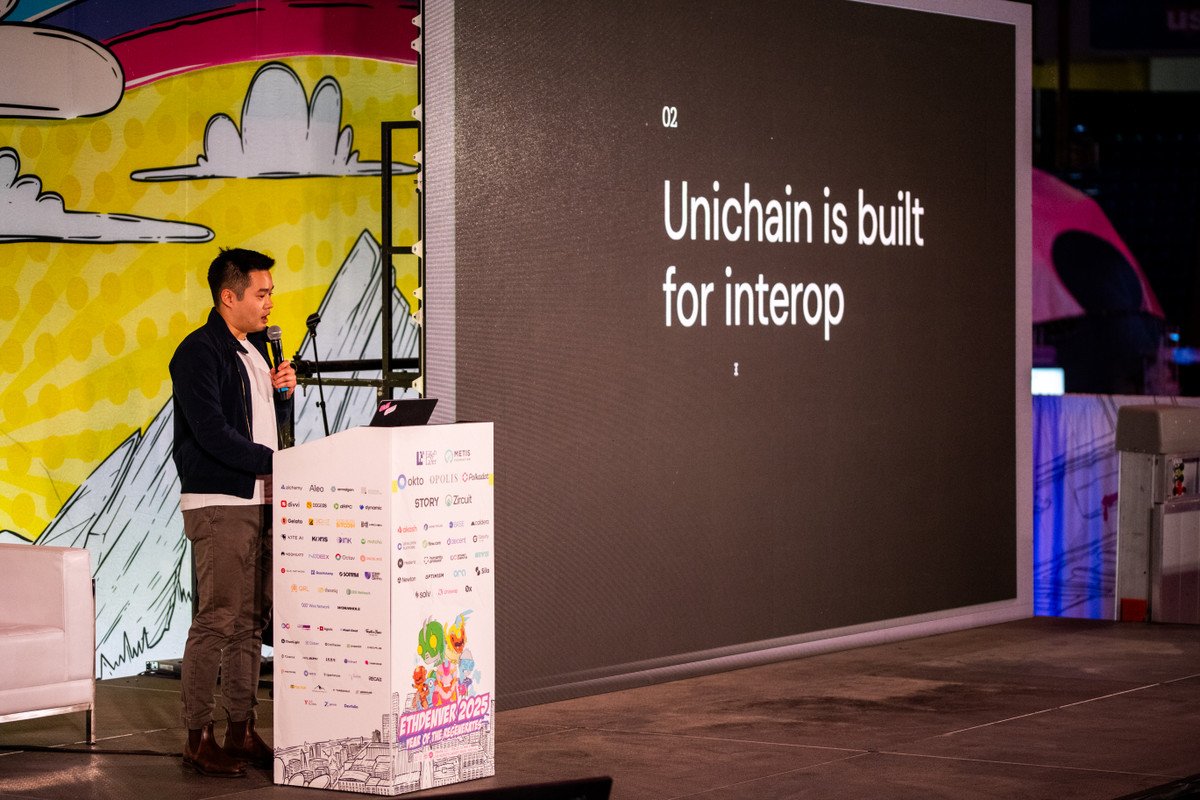
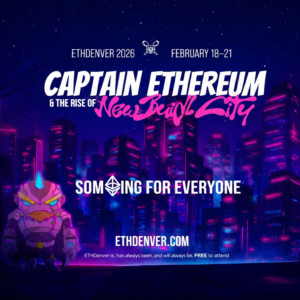
ETHDenver 2026 takes place from February 15–21, 2026 in Denver, centered around the Stockyards Event Center and the adjacent National Western Complex. The two venues function as a single site, which removes most of the long-distance venue hopping that used to dominate earlier editions.
ETHDenver is free for contributors who apply, which keeps the room less sales-driven than most conferences of this size.
How The Week Is Structured
The event begins with Camp BUIDL from February 15–17 at CSU Spur. This phase is quieter and technical. Workshops cover tooling, security tradeoffs, and system design issues teams are likely to encounter during the hackathon. Attendees are either preparing to build or already working. By the end of Camp BUIDL, many teams have repositories open and scopes defined.
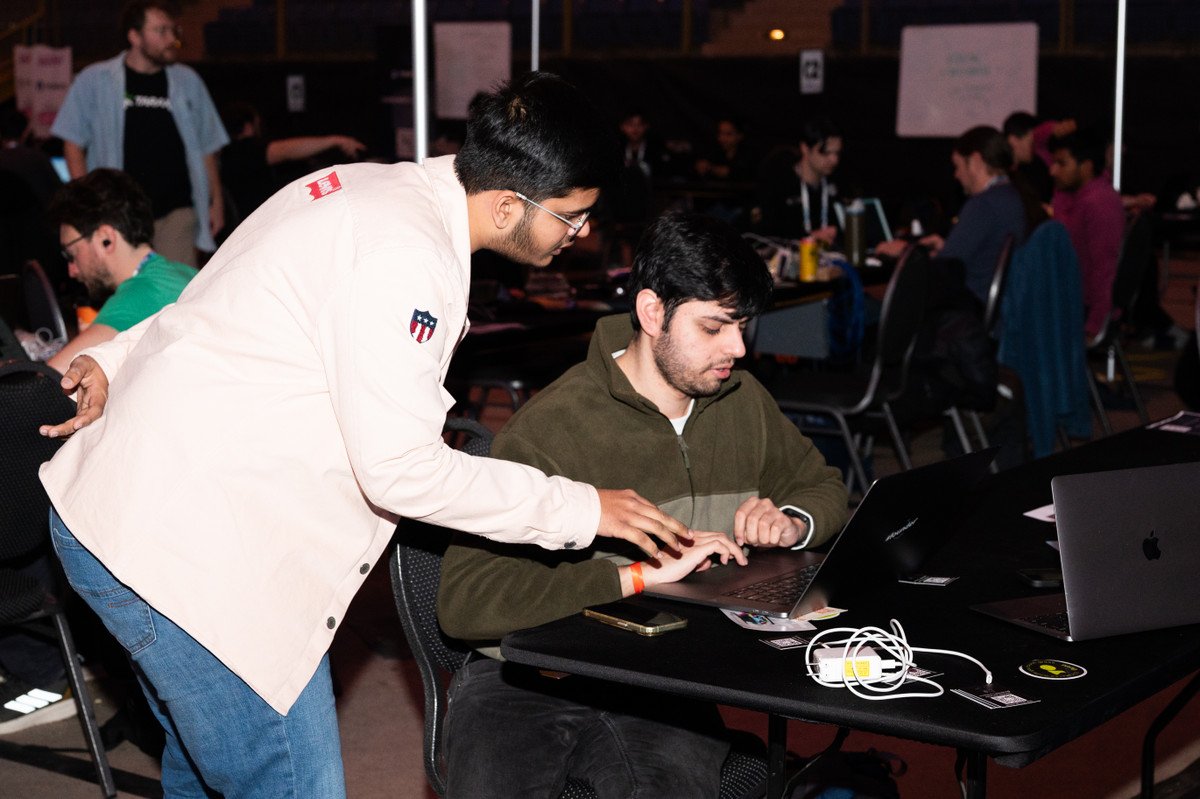
From February 18 onward, activity moves fully to the Stockyards campus and the BUIDLathon runs continuously. Teams build on-site for several days. Hackers work on the main floor alongside protocol teams, infrastructure providers, and sponsors. When issues arise, maintainers are usually reachable in person.
More than $1.5 million in bounties are available. In practice, the more relevant factor is proximity: feedback happens while code is being written.
What People Are Building
Most projects in 2026 cluster around a few areas. AI systems are being connected to on-chain workflows and coordination mechanisms. Zero-Knowledge proofs are used for privacy and verification constraints rather than demonstrations. DePIN projects attempt to operate outside controlled test environments.
Many projects stall or stop early. This is typical in this format. The setup favors early failure over polished output.
How Talks and Space Are Organized
Programming is grouped by theme rather than arranged as a single agenda. Infrastructure and scaling discussions are concentrated in one area. DeFi and institutional-facing work in another. Experimental projects, including decentralized AI and biotech-adjacent work, are grouped separately. Most attendees stay within one area for extended periods.
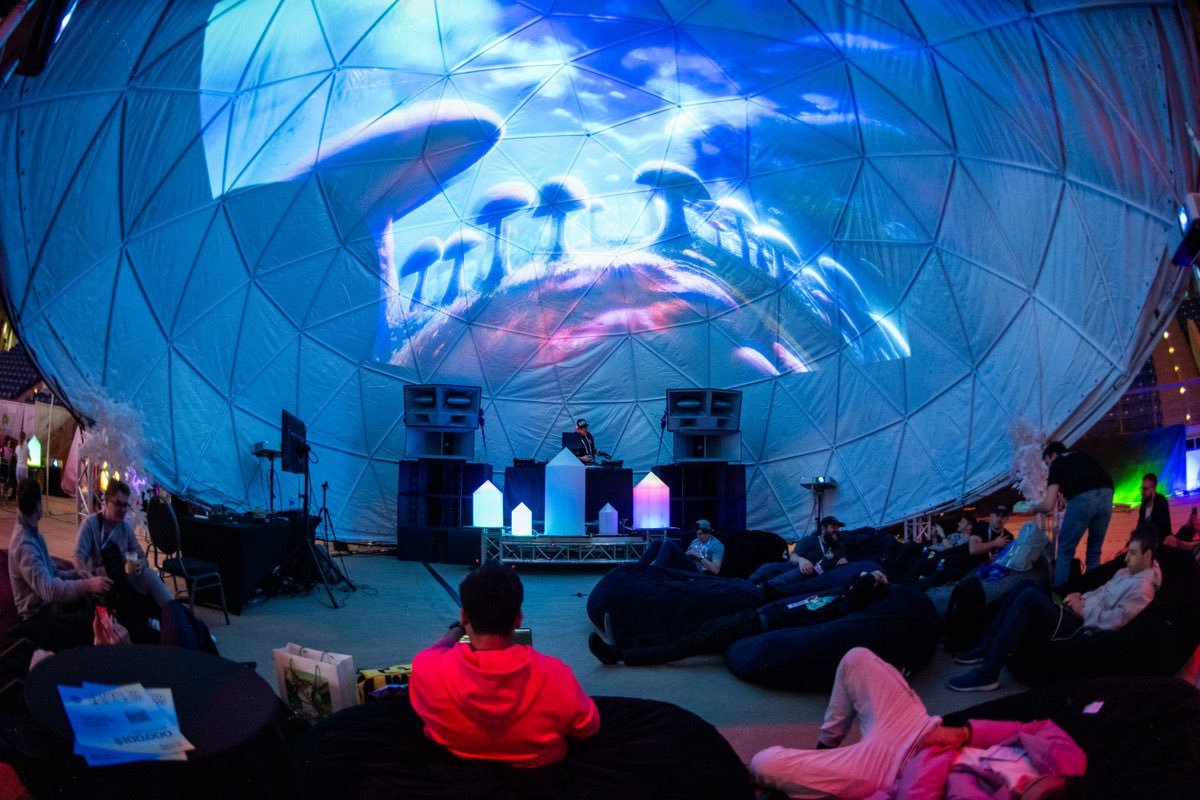
Nearly all activity takes place on the same campus, including the MakerSpace and art installations. The site remains crowded, but movement overhead is lower than in previous years.
After the Main Event
After February 21, a smaller group continues to the Mountain Retreat (February 22–27) in the Colorado Rockies. This part is optional and slower. Fewer people, fewer presentations, more time. Some teams use it to decide whether to keep working together.
ETHDenver ends without clean conclusions. Some projects stop. A few continue. A small number turn into long-term teams or companies. This event is noisy, imperfect, and occasionally overwhelming, but it remains one of the few Web3 events optimized for builders. If you’re looking for momentum, New #BUIDL City still does its job.